
How Height Reduction Surgery Works
The world’s first height reduction center
Limb shortening surgery
One proven method to reduce your height
Height reduction surgery is a specialised orthopaedic procedure that reduces overall height or corrects body proportions. Unlike limb lengthening, which can be done with several techniques, height reduction relies on one surgical approach: removing a measured bone segment and fixing the bone with an internal nail.
This page explains how the procedure works, who can be a candidate and what to expect during recovery, so you can make an informed decision.
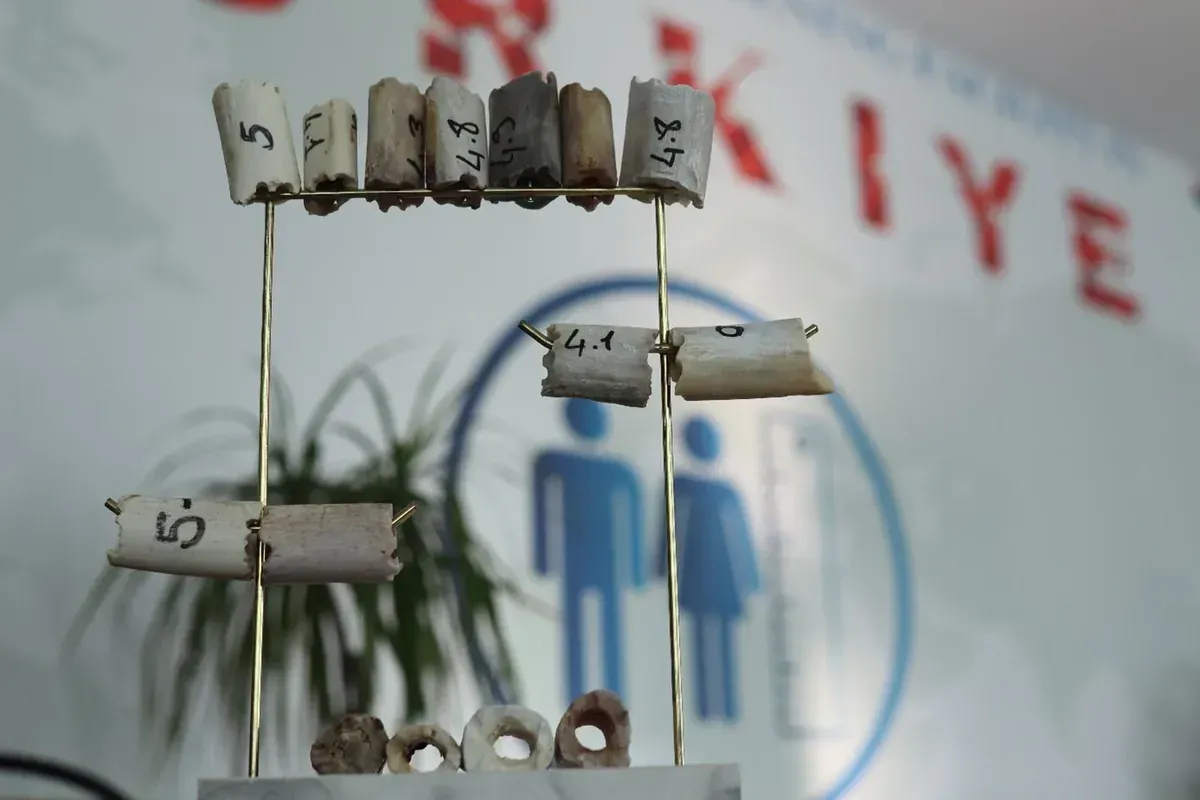
- 5.5–6 cmFemur shortening
- 2–4 cmTibia shortening, as a second stage
- 8–10 cmFemur and tibia combined
- 3 daysHospital stay
- 1–2 monthsWalking without support
- 6–9 monthsBone healing
Key facts at a glance
Your height reduction calendar
From the operation to nail removal, the main milestones of the process.
- Surgery dayThe operationGeneral or spinal anaesthesia, with a tourniquet to limit blood loss
- Days 1–3Hospital stayFirst steps with a walker, exercises and dressing care
- Weeks 1–4Walker and wheelchairSupport while the bone starts to heal
- Weeks 4–6CrutchesThen gradually down to one crutch
- 1–2 monthsWalking without supportMost patients walk on their own
- 2–4 monthsDrivingUsually possible again
- 6–9 monthsBone healingDepends on your own healing speed
- After full healingNail removalA separate, simpler procedure
- 18–20 years
Growth plates close at this age in most people. Surgery is done only after they have closed.
- Slimmer thighs
Muscle density in the thigh increases after shortening, so slimmer thighs are generally better suited.
- Mainly the legs
Shortening is almost always done on the thigh and shin bones. It is possible on the arms, but rarely needed.
- One method
Unlike limb lengthening, height reduction uses a single surgical approach with an internal nail.
Patient interview
Getting 4.9 cm shorter
A patient talks about her height reduction surgery, the hospital days and her recovery in her own words.
Cosmetic and medical
From leg length correction to cosmetic height reduction
Milestone
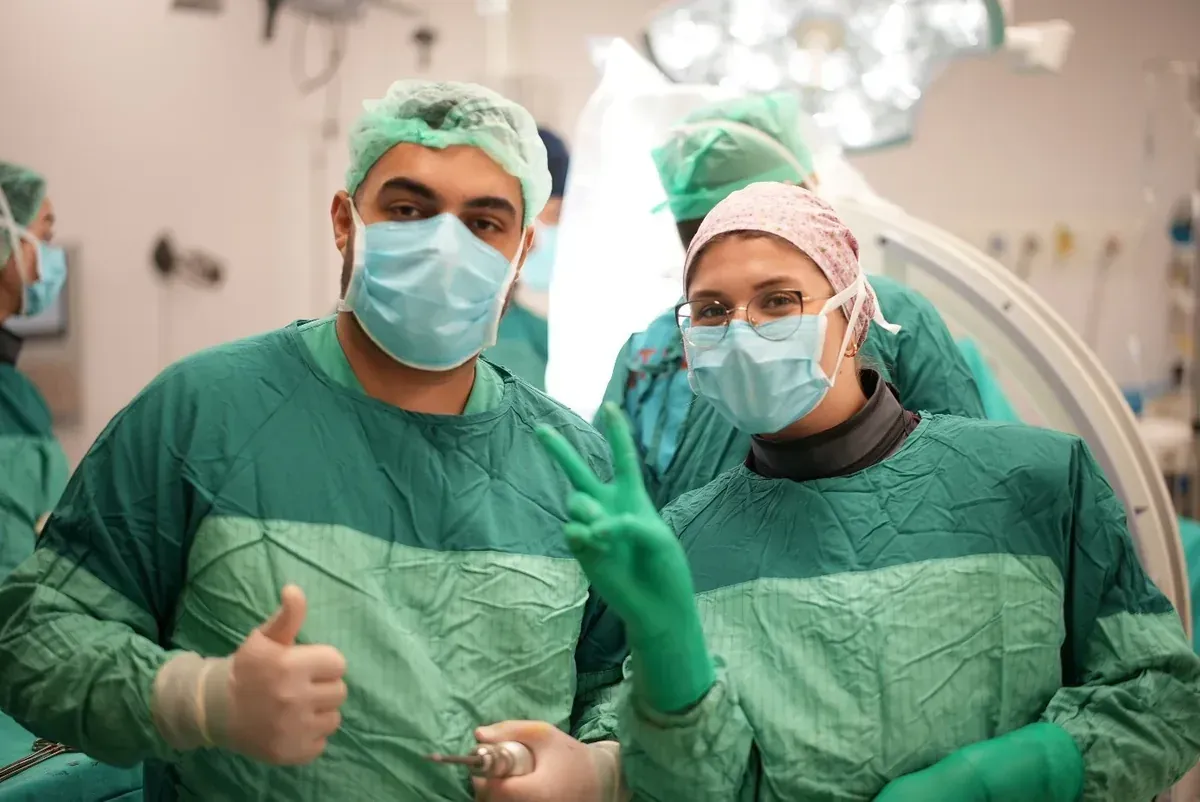
First cosmetic height reduction by our surgeonOne of the first documented cases worldwide, at the world’s first height reduction center.Shortening surgery has long been performed, rarely, to correct leg length discrepancies. On 17 January 2023, our surgeon performed it for a cosmetic purpose.
Meet the surgeon, Assoc. Prof. Dr. Yunus ÖçReasons for height reduction
Why people consider a shorter height
Every patient’s reason is personal. These are the most common ones we hear in consultations.
- 01
Feeling too tall
Standing out in every setting, body dysphoria and the everyday discomfort that can come with being very tall.
- 02
Gender identity and body alignment
A shorter stature that feels more aligned with gender identity and self-image, including as part of gender-affirming care.
- 03
Body Proportions
A more balanced look between the upper body and long legs, for a natural and harmonious silhouette.
- 04
Social and relationship preferences
Personal preferences related to height differences in social life and relationships.
Who can have the surgery
Conditions for eligibility
Before limb shortening surgery, patients must meet several medical and physical requirements.
- 01
Growth plates must be closed
Growth must be complete, confirmed by an X-ray of the legs showing closed growth plates. In most people they close between the ages of 18 and 20. Surgery is not performed before this stage. The recommended upper age limit is 50–55, as collagen production decreases after 50 and bone healing slows.
- 02
General health and readiness
Good overall health and readiness for both the operation and the recovery period that follows, physically and psychologically.
- 03
Physical requirements
Leg anatomy: the thigh bone must be suitable. After a bone segment is removed, muscle density in the thigh increases, so patients with slimmer thighs are generally better candidates.
Upper body strength: you will rely on a walker and crutches, so strong arms and shoulders help. We advise exercises before surgery to strengthen the upper body. - 04
Mental preparation
Recovery can be demanding. Our consultants can arrange online sessions with a psychologist, and you may also work with a mental health professional at home.
Step by step
Stages of the limb shortening process
-
01
Consultation and medical examination
The process starts with a detailed consultation and a full medical evaluation: X-rays, measurements, blood tests and a check of bone health and metabolism. The surgeon explains the operation and assesses your physical and psychological readiness. If there is no medical obstacle, the surgery date is set.
-
02
The surgery 2–3 hours
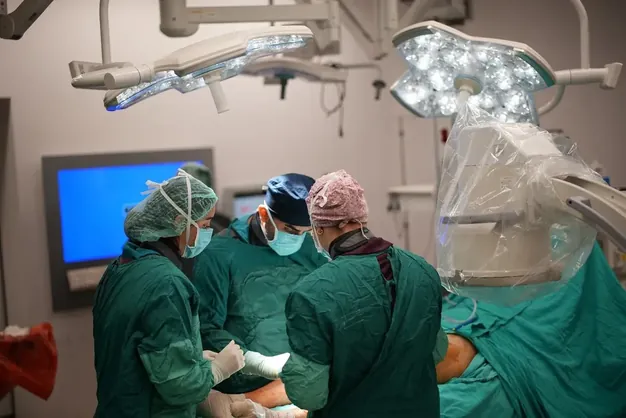
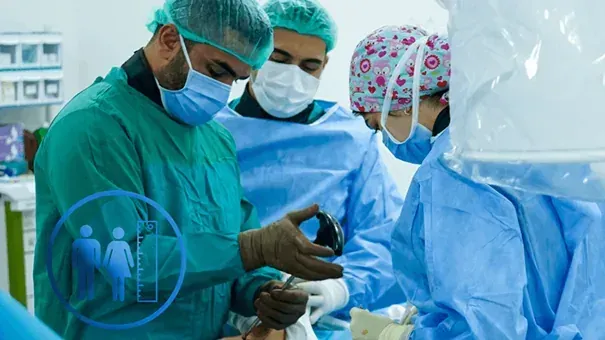
The operation takes 2–3 hours under general or spinal anaesthesia, depending on the surgeon’s recommendation and your preference. A tourniquet is used to limit blood loss.
- The bone is cut (osteotomy) at the planned level.
- A measured segment of bone is removed.
- An intramedullary nail is inserted into the bone canal.
- The nail is fixed with interlocking screws for stability.
Schematic illustration of femur shortening, not to scale. Expected reduction
- 5.5–6 cmFemur (thigh bone)
- 2–4 cmTibia (shin bone), as a second stage
- 8–10 cmFemur and tibia combined
-
03
Hospital stay
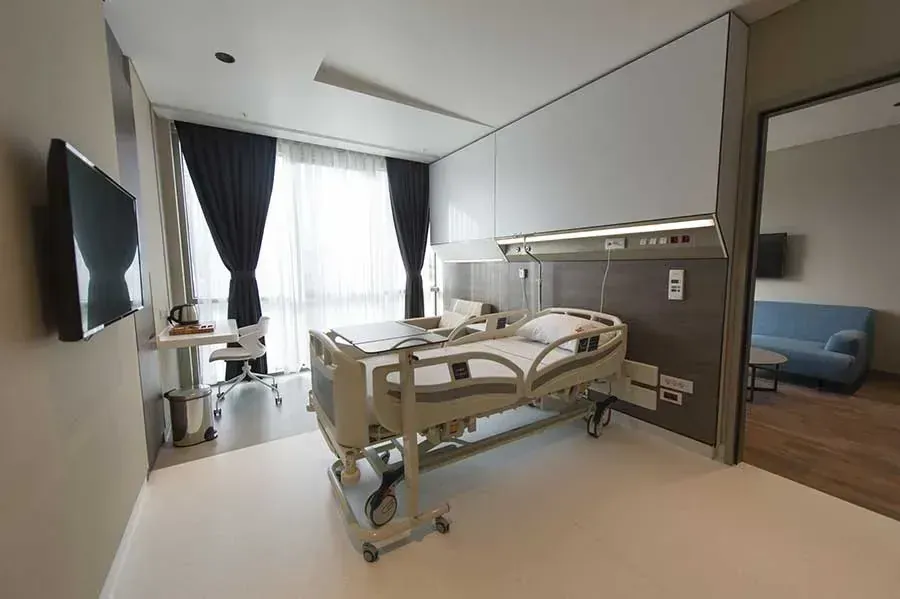
You stay in hospital for 3 days in a private room at BHT Clinic Istanbul Tema Hospital. During this time:
- Physiotherapy starts and you take your first steps with a walker
- You learn the exercises you will need during recovery
- Dressings are changed and post-operative care is explained
-
04
Recovery
After discharge, patients stay in Istanbul for about 1 month for regular physiotherapy, dressing changes and check-ups. See the recovery accommodation options.
- Weeks 1–4Walker and wheelchair support
- Weeks 4–6Transition to crutches
- Week 6 onGradually down to one crutch
- 1–2 monthsMost patients walk without support
PhysiotherapyDaily stretching, joint movement and strengthening exercises are essential. Skipping them can cause stiffness, contractures or imbalance.DrivingUsually possible after 2–4 months.SportsHigh-impact activities wait until the bone has fully healed.Bone healingTypically 6–9 months, depending on your own healing speed. -
05
Nail removal
Once X-rays confirm full bone healing, the intramedullary nail is removed under general or local anaesthesia. It is a separate procedure and simpler than the first operation.


Possible risks and complications
What can happen, and how it is managed
01Infection
As an implant is placed inside the bone, there is always a small risk of infection.
Prevention & managementStrict sterilisation during surgery, careful wound care and antibiotics when prescribed. Regular dressing changes are part of your recovery care.
02Muscle pain, weakness and stiffness
Soft tissues are handled during surgery and activity is reduced for a while, so pain, temporary weakness or stiffness can occur while the body adapts.
Prevention & managementPain management with prescribed medication and gentle stretching, progressive strengthening and mobility training in a structured physiotherapy programme.
03Nerve pain
Rarely, nerves near the surgical site can be irritated or compressed, causing tingling, numbness or sharp pain.
Prevention & managementThe surgeon protects the nerves during the operation. If nerve pain occurs, medication, physiotherapy and in some cases a minor corrective procedure may be needed.
04Swelling (edema)
Mild to moderate swelling is a normal reaction after the bone and surrounding tissues are operated on. Excessive swelling can slow recovery.
Prevention & managementLeg elevation and positioning, compression garments, cold therapy and physiotherapy in the early phase, and anti-inflammatory medication when needed.
05Delayed union or nonunion
The bone ends must heal and fuse. Healing can be slower than expected (delayed union) or, rarely, not happen (nonunion).
Prevention & managementGood nutrition, following the rehabilitation plan, avoiding smoking and excessive alcohol, and regular check-ups. If nonunion occurs, an additional procedure or bone grafting can treat it.
06Contracture (hip, knee, ankle)
Joints can lose part of their range of motion when muscles, tendons and joint capsules lose elasticity during immobilisation or without enough rehabilitation.
Prevention & managementConsistent physiotherapy keeps the joints flexible. If rehabilitation is neglected, contractures can become severe and, rarely, need surgical treatment.
07Muscle imbalance
Uneven strength or flexibility between muscle groups can temporarily make walking and daily movements harder.
Prevention & managementPersonalised physiotherapy: strengthening weak muscles, stretching tight areas and balance exercises to restore a natural walking pattern.
08Psychological impact
Body image concerns, emotional strain, anxiety or low mood and adjustment challenges can appear during recovery.
Prevention & managementProfessional counselling and continuous support from our team, including online psychologist sessions.
FAQ
Questions about the surgery
Short answers about the operation, the hospital days and recovery.
Prices and what is includedHow long does height reduction surgery take?
The operation usually takes 2–3 hours, depending on the bone and the planned amount of shortening.
What kind of anaesthesia is used?
General or spinal anaesthesia, depending on the surgeon’s recommendation and your preference.
How many centimetres can I lose?
Femur shortening removes 5.5–6 cm. Tibia shortening of 2–4 cm can follow as a second stage, after healing and with the surgeon’s approval, for a total of 8–10 cm.
Who can have height reduction surgery?
Adults whose growth plates have closed, usually after the age of 18–20, who are in good general health and ready for the recovery period. Your case is reviewed with X-rays before a plan is confirmed.
How long will I stay in hospital and in Istanbul?
You stay in hospital for 3 days, then recover in Istanbul for about 1 month with physiotherapy, dressing changes and check-ups.
When can I walk again?
You take your first steps with a walker on the day after surgery. Crutches follow from around weeks 4–6, and most patients walk without support within 1–2 months.
Is the surgery painful?
Pain after surgery is managed with prescribed medication, and physiotherapy with gentle stretching helps reduce stiffness and discomfort during recovery.
Will there be scars?
Small scars remain where the nail and screws are inserted, and they fade over time. The video on this page shows what they look like after surgery.
When can I drive or do sports?
Driving is usually possible after 2–4 months. High-impact sports wait until the bone has fully healed, typically 6–9 months after surgery.
When is the nail removed?
Once X-rays confirm full bone healing, usually 12–18 months after surgery. Nail removal is a separate, simpler procedure and is not included in the surgery price.
How much does height reduction surgery cost?
The all-inclusive surgery price is $26,400, including hospital and surgeon fees, the implant, pre-operative examinations and 3 days in hospital. Writing to our patient consultants is always free.
Find out if you are a candidate
Writing to our patient consultants is always free. Send your height, your goal and a few photos, and Dr. Yunus Öç reviews your case at no cost.